

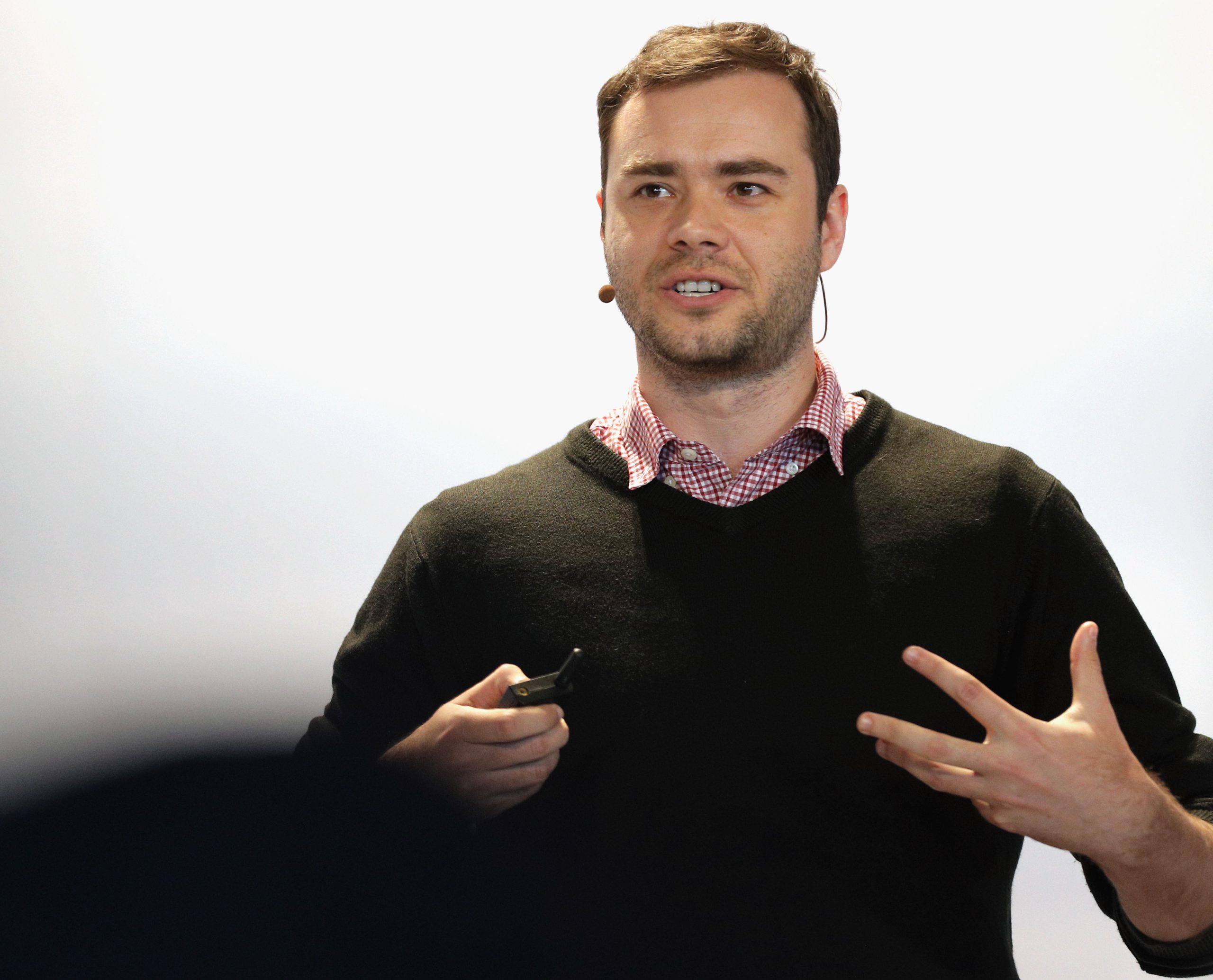
Last February, OpenAI co-founder and Tesla Autopilot’s founding engineer, Andrej Karpathy, accidentally coined a now-ubiquitous term when he tweeted about “vibe coding.” The phrase described a form of A.I.-aided coding that lowered the barrier to entry for software engineering and soon took both hobbyists and Silicon Valley by storm. To celebrate the one-year anniversary of that viral moment, Karpathy has introduced a new, albeit less snappy, phrase: “agentic engineering.”
The difference? While vibe coding was mostly for fun and powered by early A.I. coding tools, agentic engineering represents a more advanced phase of software development that is becoming increasingly common in professional settings. The term’s inclusion of “agentic” makes sense because, for the most part, engineers no longer write code directly. Instead, they direct and oversee agents that do, Karpathy said in a recent post on X. And “Engineering” emphasizes “that there is an art and science and expertise to it,” he explained.
Karpathy said he was taken aback by the buzz his initial vibe coding post generated, calling it a “throwaway tweet that I just fired off without thinking.” But the researcher’s storied career in the A.I. industry lends his views added credibility. Online searches for the term exploded last year, according to Google Trends, and the phenomenon was featured in countless news articles and think pieces. It was even named Collins Dictionary’s word of the year for 2025.
A member of OpenAI’s 11-person founding team, Karpathy focused on generative modeling, computer vision and reinforcement learning at the ChatGPT-maker before leaving for Tesla in 2017 to lead its Autopilot efforts. Karpathy returned to OpenAI in 2023, then departed again a year later to launch Eureka Labs, an A.I. education company. Outside of A.I. development, he also has more than 1.2 million followers on YouTube, where he posts educational tutorials.
A lot has changed in a year. While vibe coding originally referred to engineers experimenting with A.I. on casual weekend projects, Karpathy noted that large language models (LLMs) have improved so much that their use is now commonplace among professional developers. That’s where agentic engineering comes in. The approach aims to “claim the leverage from the use of agents but without any compromise on the quality of the software.”
The rapid evolution of A.I.-powered coding is reflected not just in new terminology, but in a surge of investment. Cursor, one of the startups at the heart of the vibe coding boom, raised $2.3 billion last November in a funding round that nearly tripled its valuation to $29.3 billion. Stockholm-based Lovable was valued at $6.6 billion the following month after raising $330 million. Replit, another major A.I. coding company, is reportedly nearing a new $400 million funding round that could push its valuation to $9 billion. These startups now face growing competition from established A.I. developers like Anthropic and OpenAI, both of which have doubled down on coding features in recent months.
Besides his roles at major tech companies and his talent for viral buzzwords, Karpathy is also an active A.I. investor. He has backed 14 startups, according to Crunchbase, and invested in companies building the autonomous technologies behind trends like agentic engineering. That includes a 2024 funding round for /dev/agents, which is developing an operating system for A.I. agents, and a 2022 round for Adept, which builds assistants that can automate software workflows.


