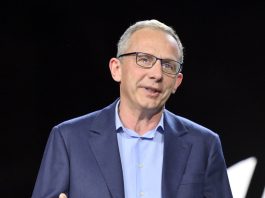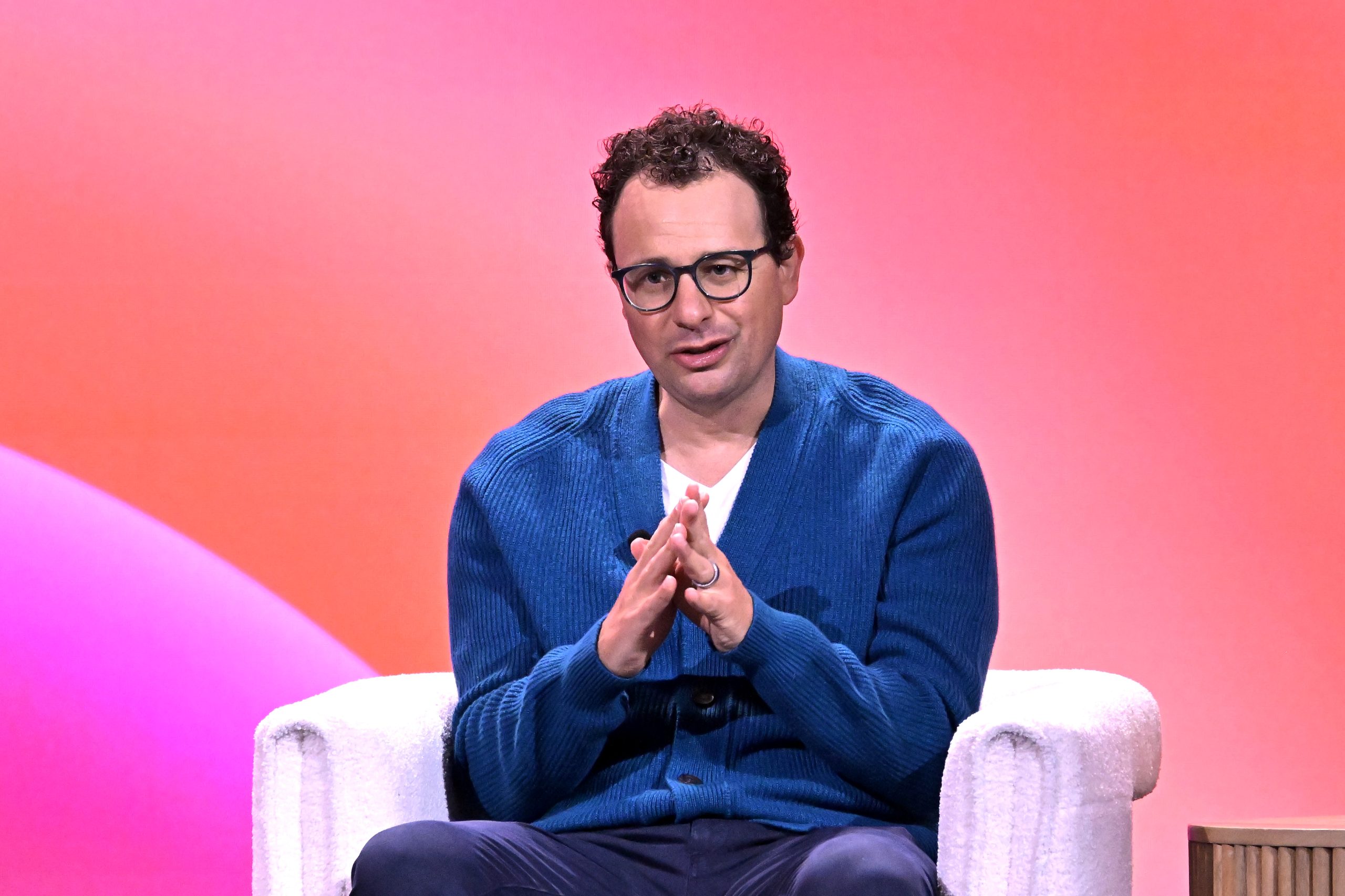
Dario Amodei is done playing nice. The Anthropic CEO, who has spent much of the past five years positioning his company as the safety-conscious alternative to OpenAI, is spending millions on a Super Bowl campaign taking direct aim at OpenAI’s decision to introduce advertising into ChatGPT. In a pointed jab at the direction Silicon Valley’s biggest players are heading, the spots—a 60-second pregame ad and a 30-second in-game version—parody what happens when a “trusted assistant” starts acting like a monetized feed. In one, a man seeks therapy for communication issues with his mother; his A.I. therapist responds with bland advice before pivoting to pitch a dating app for older women. In another, a guy asking for fitness tips gets interrupted mid-answer by an ad for insoles. The tagline is blunt: “Ads are coming to A.I. But not to Claude.”
The soundtrack, Dr. Dre’s “What’s the Difference,” the unmistakable 1999 track about separating the authentic from the pretenders, is a fitting anthem for a company betting that consumers will care about the distinction between an A.I. that serves them and one that serves advertisers. With Super Bowl spots costing upwards of $8 million for 30 seconds, Amodei is making a calculated, extraordinarily public provocation.
OpenAI, led by Sam Altman, has aggressively expanded its commercial ambitions, exploring advertising as a revenue stream to offset the enormous costs of training frontier models. Google’s Gemini and Meta’s A.I. products already exist within advertising-driven ecosystems. The pressure to monetize is immense, and most players are yielding to it.
Amodei’s conviction traces back to the split that created Anthropic in the first place. In 2020, Amodei left his role as VP of Research at OpenAI, taking his sister Daniela and a cohort of researchers with him. The departure stemmed from disagreements over safety practices and governance. Given OpenAI’s U-turn on advertising and Anthropic’s characterization of such ads as “incongruous” and “inappropriate,” these differences evidently extend to commercial trajectories as well.
Anthropic, founded in 2021, raised $13 billion last September from investors including Iconiq, Fidelity Management & Research Company and Lightspeed Venture Partners and is reportedly eyeing another $10 billion round. Amodei company has positioned Claude as a premium product for enterprises that need reliable, controllable A.I. for the sort of clients who might balk at ad-supported tools handling sensitive data. Enterprise customers and individual consumers are increasingly wary of A.I. products that might prioritize engagement over accuracy or raise murky questions about data use. An ad-free guarantee is a competitive moat.
But it’s also a constraint. Advertising remains one of the most proven business models in technology. Roughly 72 percent of Alphabet’s revenue throughout its most recent quarter came from ads. At Meta, that figure comes in even higher at 97 percent. By forswearing it, Anthropic limits its monetization options and increases its dependence on subscription revenue and continued venture funding. If the enterprise market doesn’t materialize at sufficient scale, the company could find itself outspent by rivals with deeper pockets and fewer scruples.
Amodei appears willing to accept that risk. In interviews, he has repeatedly emphasized that building trustworthy A.I. requires resisting short-term commercial pressures—even when competitors don’t.
Whether that philosophy can survive contact with the market remains an open question. A.I. development is extraordinarily expensive, and the companies that can sustain investment the longest will likely dominate. Altman’s OpenAI has flown past startup funding records. Google has its own war chest. Meta can afford to treat A.I. as a loss leader indefinitely.
Anthropic has conviction. The next few years will reveal whether that’s enough.