

“What now?” It’s the first question that crops up between cause and effect. It’s the exact question Disney employees are asking from behind the hallowed walls of the Magic Kingdom. It’s the gaping unknown gnawing at the certainty-seeking minds of Hollywood observers. In a digital world, Disney’s dividends are driven by the steel and wood of its roller coasters.
Bob Iger will hand the reins of The Walt Disney Company to Parks & Experiences head Josh D’Amaro next month. This we saw coming. In 2023, Disney announced a $60 billion investment into Parks & Experiences over 10 years. D’Amaro’s division recently topped $10 billion in quarterly revenue for the first time and accounts for 60 percent of Disney’s profit.
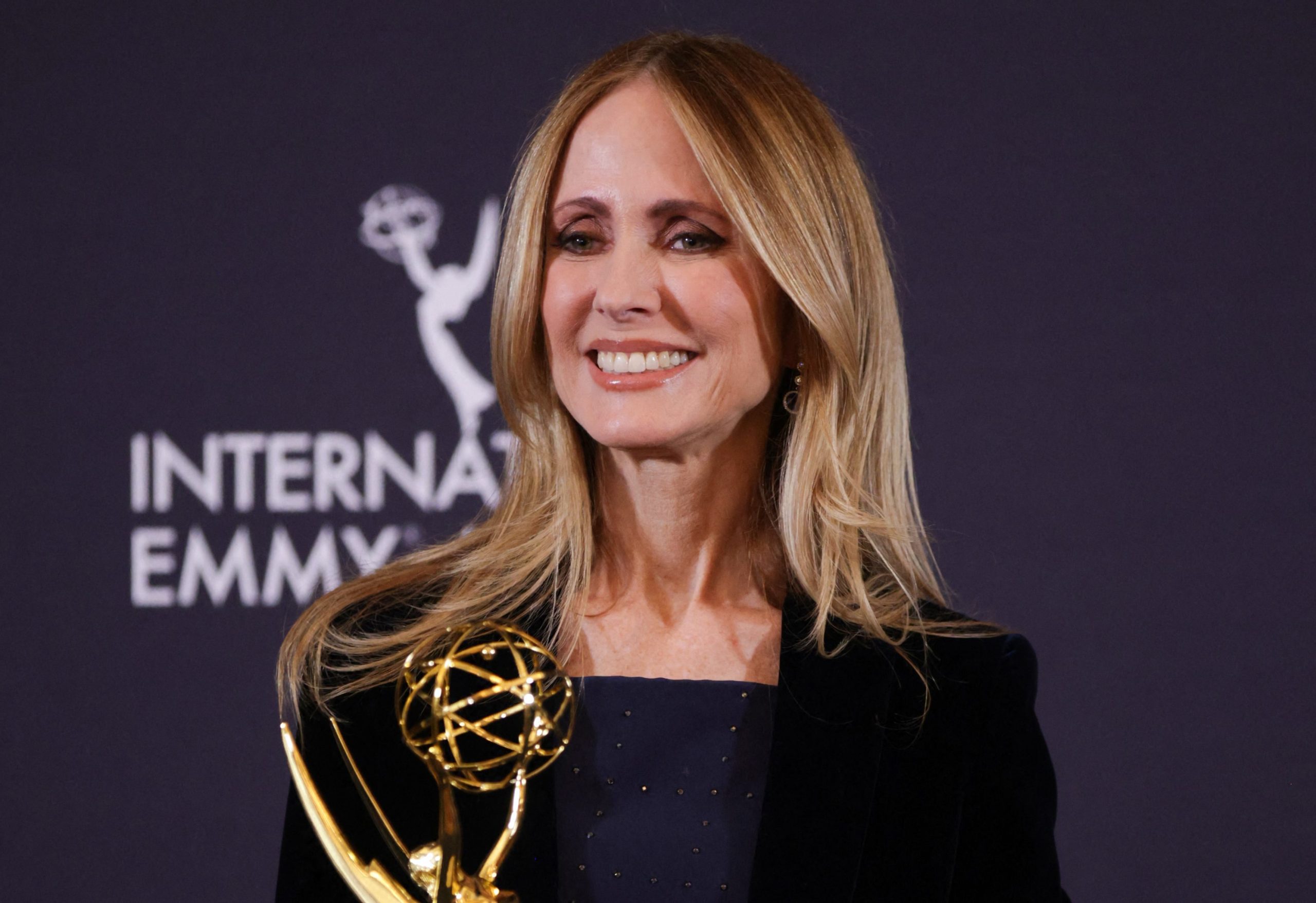
Content may no longer be the great equalizer in today’s fragmented media landscape. But content still drives Disney’s famous flywheel. Consumers love going to the parks because it is an extension of their favorite characters: Star Wars: Rise of the Resistance, Guardians of the Galaxy: Cosmic Rewind, Avatar Flight of Passage, etc. That’s why co-chairman of Disney Entertainment and TV head honcho Dana Walden’s elevation to Disney’s first president and chief creative officer is the real intrigue.
Walden’s promotion falls directly in line with the rest of Hollywood’s recent anointment of veteran television executives to oversee all content. At a time when Kathleen Kennedy is vacating the top spot at Lucasfilm, Kevin Feige doesn’t feel quite as invincible as he once did, Pixar is attempting to get its groove back, and Walden will now be above Disney Studios Content Chairman and film unit maestro Alan Bergman, Disney’s future is as malleable as it has ever been in the 21st century.
Film is the foundational launching pad for multimedia franchises bred to be milked for every last drop. Disney is responsible for four of the 10 highest-ranking films on Greenlight Analytics’ “Theatrical Intent” list over the last five years. It may be an unfamiliar stage for Walden. But she knows storytelling, and streaming is the needle mover with more long-term economic upside, even if it will never be considered grand and prestigious.
Here is where the “what now?” question begins to sprout tendrils. Disney’s future won’t depend solely on who makes the opening remarks on quarterly earnings calls. Instead, its prospects will rise and fall with the types of stories it chooses to tell and how it builds value from them beyond the screen.
Warner Bros. Discovery tried and failed to be a one-stop shop for Netflix competitors. Now here’s Disney—the cleanest and most easily understood brand in Hollywood history—struggling with general entertainment after investing tens of billions into it. Walden’s content track record across her Fox and Disney tenures is wildly enviable. 24, Modern Family, American Horror Story, Family Guy, Bob’s Burgers, 9-1-1, This Is Us, Only Murders in the Building, Paradise, The Bear, etc. These hits sell ad time and chew up engagement. But, as many have already pointed out, they don’t inspire theme park rides and merchandise sales (though now I can’t stop imagining a Carmy Berzatto attraction where park guests share cigarettes and panic attacks in a dirty kitchen). Hulu is great at surfacing long-running sitcoms and procedurals from broadcast television, but hasn’t yet mastered making its own versions at scale. Its absorption into Disney+ speaks volumes about its scalable strategic value.
Disney is in a difficult position as a franchise-forward media company that has arguably invested too much in non-core generalist fare to turn back now. Fox, Hulu and sports have been essential loss leaders, debt-ridden albatrosses, or something in the middle, depending on who you ask.
If D’Amaro revisits Iger 2.0’s early Sun Valley comments entertaining the idea of selling off brands that don’t brighten Disney’s halo effect, where does that leave Disney’s content engines? The same question is just as compelling if he doesn’t. As sports media rights trampoline into even more expensive territory, scripted content will continue to lose airtime.
That speaks to an ongoing streaming dilemma. Can Walden juice time spent on Disney’s streaming platforms, which have remained flat for roughly two years? Back in the heyday of cable, the Disney Channel would deliver a handful of modestly budgeted hit original movies each year that became reliable assets. Why and how this model has been abandoned in favor of much more expensive streaming exclusive films is a mystery to me. (Though the Descendants and Zombies movies seem to be doing well).
Disney announced a $1.5 billion investment in Fortnite maker Epic Games back in 2024, though no substantial film/TV projects have come from it. D’Amaro oversees video games, and Walden has the creative chops to spin something new out of something old. Video games have replaced superheroes as Hollywood’s shiny new funnel of blockbuster IP, necessitating a bold step into this arena sooner rather than later.
Paramount has Sonic (and soon Call of Duty), Warner Bros. has A Minecraft Movie and The Last of Us, Universal has a fledgling Nintendo universe, Sony has Zach Cregger’s new Resident Evil movie, and Netflix has been dabbling in video game properties for a while. Despite rampant rumors over the years, a Kingdom Hearts video game adaptation has never reached Disney’s screens. That game already boasts a successful roadmap, built-in fan base, and irresistible wish fulfillment. It’s the type of splashy, Disney universe-reinforcing project that splits the difference between modernity and recycling. Not for nothing, it’s also a worthy attempt at stretching beyond superheroes. (The same thinking goes for anime, albeit with lower floors and ceilings for now.)
We know it’s always more valuable to fully own IP in-house. But it’s not always realistic. Disney+’s hit Bluey is licensed (with a film adaptation in the works), and Disney recently acquired the Impossible Creatures book series. Continuing to eye the market for strategically aligned opportunities to add new toys to the sandbox is a likely (and needed) path. It sets a new tone for a new era.
And this wouldn’t be Disney without returning to the well of success at least once. Encanto is the most popular streaming movie ever in the U.S., according to Nielsen data. Its muted box office was the result of a COVID-depressed theatrical marketplace, not an indictment on its quality. The overall audience response has made that clear.
Greenlighting a sequel wouldn’t just be a brand-safe, house-style move. It would be a signal flare that Walden and her team understand the value of original storytelling, discovery and franchise expansion. For a company stuck in a tug-of-war with the past, Encanto sits at the intersection of fully owned in-house IP, streaming-era audience reach, multimedia franchise potential and risk vs safety.
Disney’s next era is already underway. What will result depends on its ability to move beyond its standard way of doing things in order to cultivate new and existing stories while recognizing when—and how—they actually hit.


