

Oura rings, the smart bands made by Finnish company Oura, are seemingly everywhere these days—they’ve been spotted adorning the hands of tech CEOs, celebrities and athletes alike. They’ve even made their way into the Olympics. As Team USA’s inaugural “Official Wearable,” Oura rings will be provided to U.S. Olympians and Paralympians to track sleep, stress and other biometrics during both the Milano Corto 2026 and Los Angeles 2028 Games, the company announced last week.
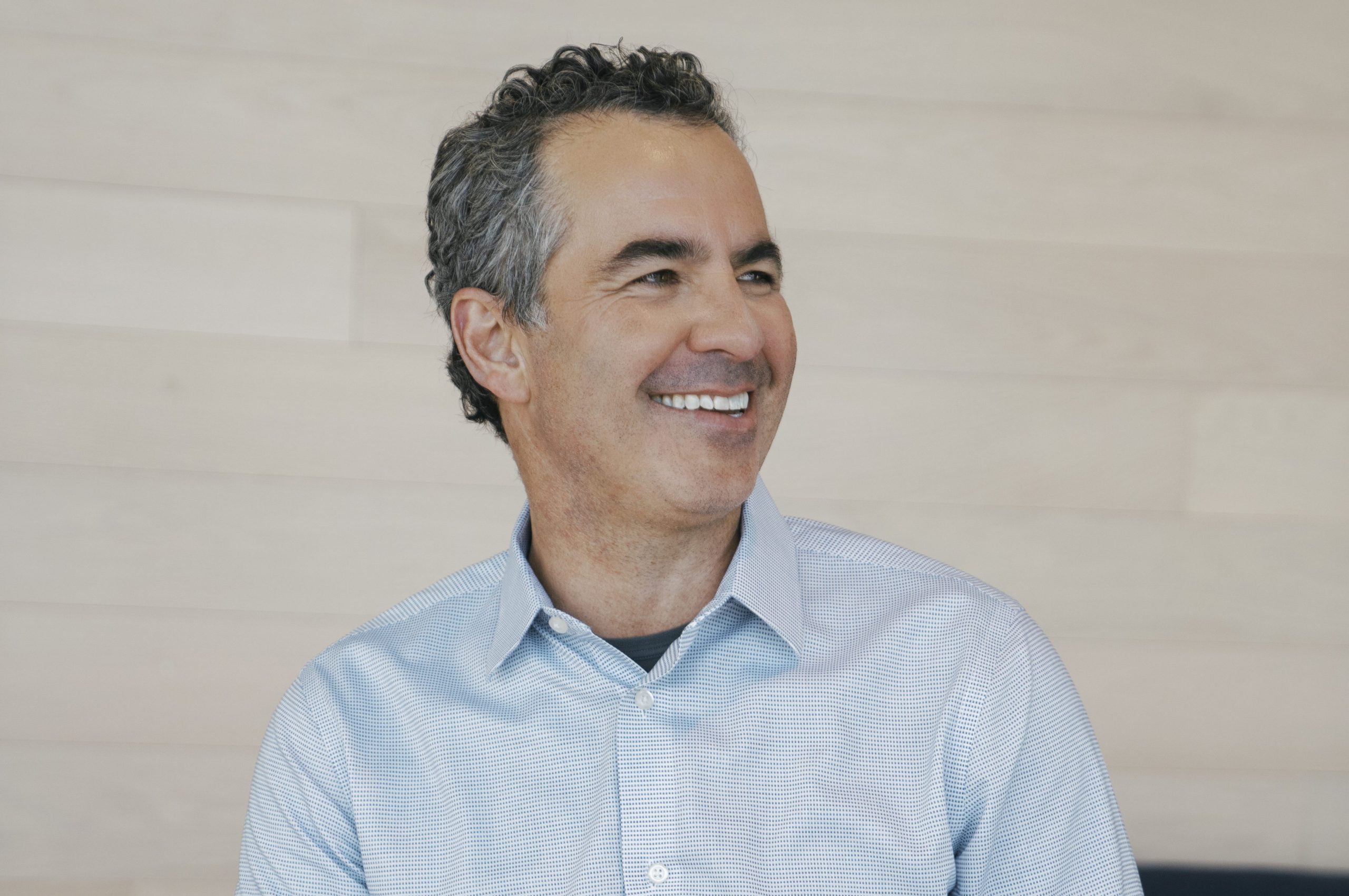
“This is a first-of-its-kind partnership, which we’re incredibly proud of,” Doug Sweeny, Oura’s chief marketing officer, told Observer via email. “Wearables are becoming essential tools in professional sports, as competition increasingly extends beyond what happens during a game or match.”
Sweeny joined Oura in 2022 after marketing stints at Google, One Medical and Nest Labs. His tenure at Oura has been marked by an emphasis on mainstream visibility—a goal he’s pursued not just through sports partnerships, but also with campaigns like a Mission Impossible-themed ad featuring Tom Cruise and Oura’s sponsorship of CNN’s Magic Wall during the 2024 U.S. Presidential election.
The Olympics partnership caps a banner few months for Oura, which has seen its sleek rings shake up a once-sluggish market for wearable tech. Founded in Finland in 2013, the company’s product exploded in popularity last year. As of September 2025, it had sold more than 5.5 million rings in total—a sharp increase from the 2.5 million sold as of June 2024. With surging demand has come new capital: Oura was valued at $11 billion last year after raising a $900 million Series E round.
Since 2024, the company has supported a number of sport-specific organizations for Team USA, such as U.S. Ski & Snowboard and USA Hockey, according to Sweeny. Last year, that group expanded to include U.S. Speed Skating and Women’s Soccer. The rings place particular emphasis on areas like rest and recovery as athletes prepare for the physical and mental demands of elite competition.
“What made this partnership so natural was the shared vision between Oura and Team USA to study a more holistic approach beyond training,” said Sweeny. “The best athletes aren’t chasing perfect scores; they’re using the data to give themselves permission to rest, to back off when the signals say they’re overreaching, and to make more intentional decisions about performance over an entire season, not just a single game or race.”
Ensuring athletes get enough sleep has long been a focus of Oura, even before the Olympics partnership. American alpine skier Lindsey Vonn, for example, has said she uses an Oura ring to help her avoid overworking after traveling. U.S. swimmer Katie Ledecky has praised the product for reminding her to take more naps and go to bed earlier.

Oura’s Olympic tie-up coincides with a broader push of wearable technology into sports. NFL players now wear mouthguard and shoulder pad sensors designed to make the league safer. NBA athletes use rings and vests to collect data that can help prevent injuries. Wearable tech has become so common in professional sports that a ban on smart bands during this year’s Australian Open—which, like other tennis Grand Slams, still prohibits such devices—spurred widespread media coverage.
This rise can in part be attributed to a growing realization among athletes that factors like readiness, sleep and recovery are critical to competitive success, according to Sweeney. “As the physical and mental demands of professional sport continue to rise, wearables will play an increasingly important role in supporting performance, recovery and long-term wellbeing both on and off the field.”
It isn’t just elite athletes embracing smart rings—ordinary Americans are, too. In 2025, U.S. retail sales of fitness-tracking devices jumped 88 percent year over year, according to consumer research firm Circana. Ring makers like Oura are leading the category, with smart rings accounting for 75 percent of fitness tracker revenue throughout the year—up from 46 percent in 2024.
Oura plans to keep that momentum going. The company, which has already struck partnerships with the NBA, UFC and NASCAR, won’t stop at the Olympics. “We’re always looking to explore meaningful partnerships that expand our reach,” said Sweeny.


