If you thought America’s love of Japan was only about Hibachi restaurants, Anime teens, and The Karate Kid reboots, you haven’t spent enough time on X. Last weekend, the admiration entered a new phase as the social media platform boosted an AI-enabled translation tool, making exchanging and sharing posts easier between Japanese and American users.
What resulted was a pleasant and outright wholesome font of positive vibes that seemed out of place in the notoriously cynical virtual world of hot takes, hate bots, and culture wars. The website Pirate Wires noticed and published an essay doubling down on the niche community, heaping praise on the newfound old love between Japan and America. In it, the authors point to President Trump’s bromance with the late Japanese Prime Minister Shinzo Abe, love of American BBQ, and shared technological and military goals, all of which are true and good, but that’s only part of the story.
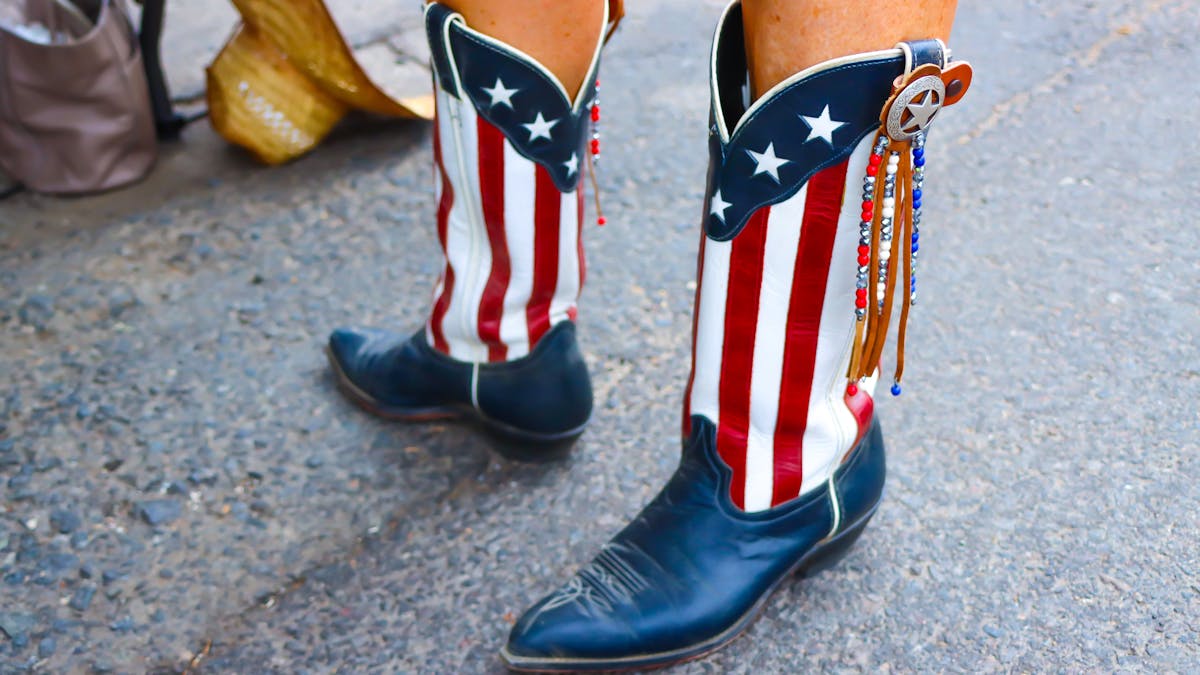
While it appears the Japanese people are living their best lives cosplaying Americana at Honky Tonk bars and showing off their classic cruisers, the Pirate Wires take is a little deceiving. What’s missing is the 1980s working-class anxiety and animosity toward our now Eastern besties — a sentiment not felt since the Greatest Generation came back from raising the flag on Mt. Suribachi and refused to buy Toyotas.
Japan’s rapid post-WWII industrialization and investment in technology paid off economically and sparked a transpacific rivalry, trade war, and manufacturing insecurity on par with a Rocky-versus-Drago fight of the century, if not a little less…violent. The Cold War rightly absorbs much of the attention when recalling the era, but as the Soviet Union was showing signs of losing its grip, Japan was becoming a real threat to the United States’ industrial domination — and the repercussions were being felt in homes, boardrooms, and factories across the country. Toyota and Honda exploded onto the automotive scene, helping usher in Detroit’s demise. Japanese technology, such as portable radios, video games, and televisions, was grabbing more market share from American companies like RCA. Even America’s trophy landmarks were being taken over. In 1989, Mitsubishi Estate took control of Rockefeller Center, a capstone acquisition following the Japanese corporation’s acquisitions of Firestone Tire & Rubber and Columbia Pictures.
This tension was reflected in pop culture entertainment — think Ron Howard’s 1986 film Gung Ho, where Michael Keaton plays a foreman at an American auto manufacturing plant taken over by a Japanese corporation. The film is a comedy, but it mirrors the zeitgeist of the time. There was also Rising Sun, Kinjite, and imagined futures that look strikingly Japanese, such as Blade Runner and Robocop 3; Die Hard takes place in Nakatomi Plaza. Tom Clancy even explores this theme in his novel “Debt of Honor,” in which the protagonist, Jack Ryan, fights a “secret cabal of Japanese industrialists.”
But enough with nuance. The biggest takeaway from the situation is the display of understated power and the magnitude of influence and reach American culture has had from the mid-20th century forward. And even though there have been some notable outside foreign influences permeating these liberty-laden shores, it’s far from an even exchange.
We gave the world jazz and rock and roll, fast food and blue jeans, baseball and John Wayne Westerns. Sure, we got the British Invasion and Crocodile Dundee, but what would France do without Jerry Lewis and Germany without David Hasselhoff? I’m only half-kidding. American cultural influence was instrumental in winning the Cold War — there was even an underground pipeline of Chuck Norris films to undermine the communists — and who could deny Roger Goodell’s not-so-secret plan for the NFL to take over the world?
So while our “special” relationship with Japan is great, it’s not exactly novel. America’s cultural influence is a force for good in the world, and it’s a shame the mainstream media has ignored it in favor of authoritarian worship, evidenced by the rise of stories about “Chinamaxxing.”
Good for Pirate Wires to report a feel-good story that most of the media ignored, even if it wasn’t a complete picture. It’s important to remember that for all the reports of America’s demise, we’re still going strong — and in unexpected corners of the world and in unexpected ways. Far from the evil empire that snobby Europeans or elitist media personalities would have you believe, we just want to spread some good old-fashioned American fun. Because in the long run, that makes better friends than enemies.